
 By
By
Taste isn’t just about design. It’s about judgment, decision-making, and the ability to choose what elevates your company. In business, taste shows up everywhere: the product you build, the experiences you deliver, the people you hire, and the stories you tell.
What Taste Looks Like in Business
-
In product: Knowing when a feature delights vs. when it clutters.
-
In marketing: Recognizing whether your story is inspiring or just jargon.
-
In design: Distinguishing between “good enough” and “polished.”
Taste is a kind of quality radar. It’s the filter that separates companies that feel effortless and magnetic from those that feel inconsistent or forgettable.
Why It Matters
Taste makes everything better. It’s not about spending more money, it’s about making sharper choices. The little decisions add up: typography, color palettes, messaging flow, UX details. Together, they shape whether your brand feels cohesive and trustworthy or messy and inconsistent.
I saw this firsthand at 8x8, where my team managed brand across 10 geographies and 20+ agencies. Everyone had the same brand guidelines and training, yet the output varied wildly. The differences were subtle, but those subtle differences determined whether the brand looked premium or patchy. To help my team, I used before-and-after examples so they could see how small refinements created stronger, more cohesive assets.
I saw the same principle at play when I led a full website redesign at FluentStream. The improvements there were bigger and more visible, moving from a fragmented, blocky layout to a polished and cohesive design that told the product story with clarity.
Examples: Before and After Improvements
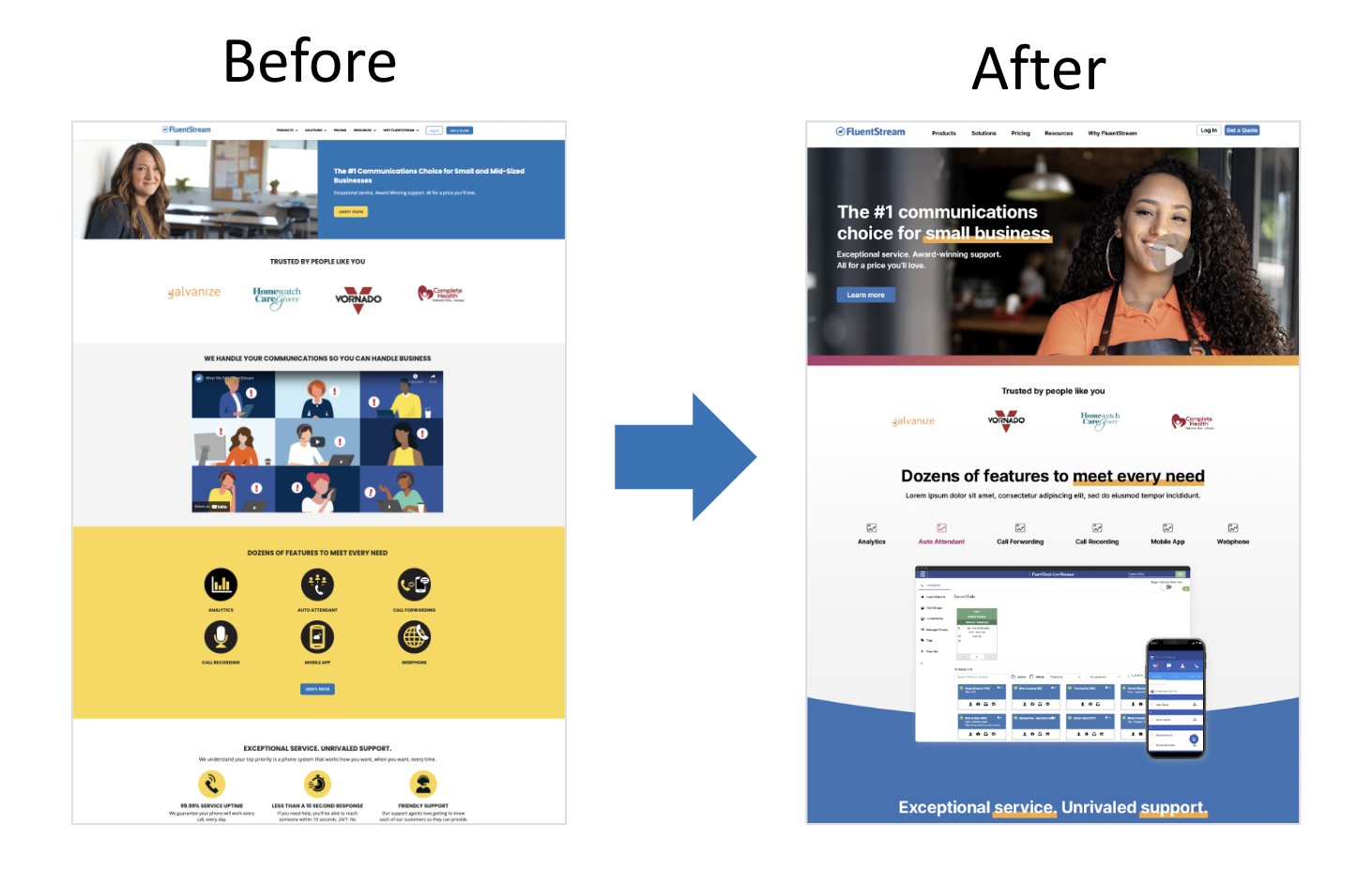
FluentStream Website
Before: A modular layout with stacked blocks, limited hierarchy, and animation-style graphics.
After: A more polished design with real product imagery, streamlined color palette, and a strong hero video centerpiece.
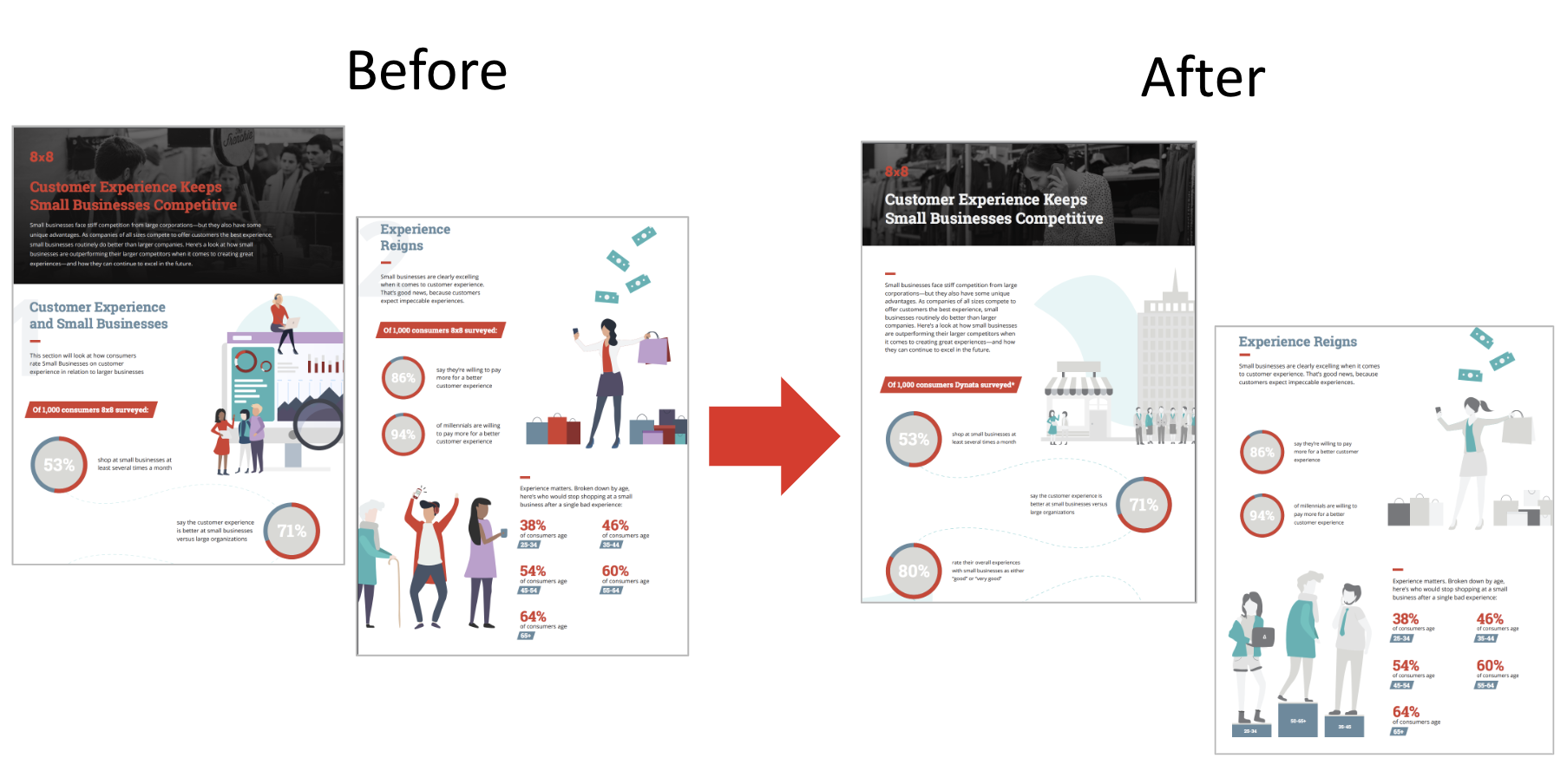 8x8 Infographic
Before: Busy graphics, competing colors, and inconsistent emphasis that made the data harder to absorb.
After: Simplified color palette, cleaner illustrations, and clearer hierarchy that guide the reader through the story.
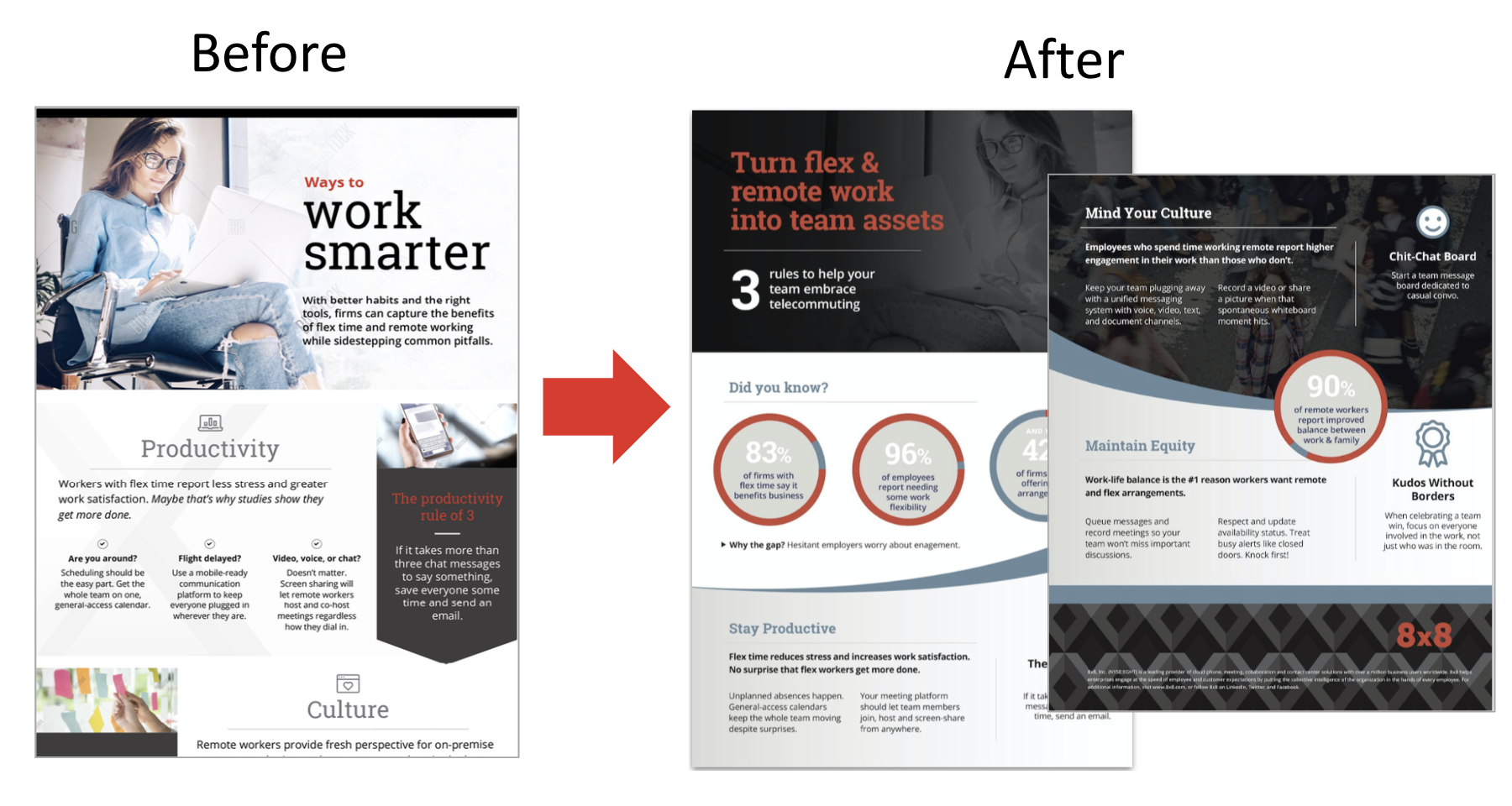 8x8 Productivity Asset
Before: Simplistic, modular design with stacked elements and heavy use of stock photography.
After: Streamlined template with icons and data callouts that tie the sections together and create a more cohesive, professional flow.
How to Know If You Don’t Have Taste
Here’s a simple gut check for founders and CEOs:
-
You can’t immediately tell the difference in “before” and “after” examples above, or you think they’re basically the same.
-
You approve assets quickly because they “look fine,” instead of asking if they guide the eye, create trust, or elevate the brand.
-
You default to group consensus instead of a trusted expert with the judgment to guide you.
-
Customers or investors say your materials feel dated, busy, or off-brand, even after investment.
If these resonate, it doesn’t mean you can’t build a tasteful brand. It just means you should hire someone who can help you get there.
What to Do If You Don’t Have It
Not every founder has to be Steve Jobs. If taste isn’t your strength, your job is to hire it.
-
Find a co-pilot. Bring in a brand, product, or marketing leader with a track record of creating work that’s premium, memorable, and authentic.
-
Trust them. Taste-driven hires can’t be micromanaged. Your role is to set vision and outcomes, not pick fonts.
-
Anchor on outcomes, not opinions. Ask, “Does this build trust? Does it tell our story clearly?” instead of debating colors or layouts.
-
Systematize it. Bake good taste into brand guidelines, templates, and training so it scales across the team.
-
Use before/after training. Like I did with my 8x8 teams, show side-by-side comparisons so everyone sees how subtle choices create stronger, more professional output.
The Bottom Line
Taste is a force multiplier. When you have it, everything about your business feels sharper, more cohesive, and more trusted. When you don’t, even strong execution can fall flat. Great leaders don’t have to have great taste. They just need to surround themselves with people who do.
Frequently Asked Questions
What does "taste" mean in business and marketing?
In business, taste is the ability to make sharp, considered decisions about what elevates your brand versus what clutters or undermines it. It shows up in design choices, messaging, product decisions, and the experiences you create for customers. It's not about spending more money. It's about having the judgment to know the difference between "good enough" and genuinely good.
Why does brand consistency matter, and what happens when you don't have it?
Consistent branding builds trust. When your visual design, messaging, and marketing materials feel cohesive, customers and prospects perceive your company as credible and professional. When they feel inconsistent or off, people notice, even if they can't articulate why. The result is a brand that feels patchy or forgettable, regardless of how strong your product actually is.
How do I know if my company's marketing and brand materials look unprofessional?
A few honest gut checks: Do your materials look noticeably different from each other across channels? Do investors or customers describe your brand as dated or busy? Do you approve assets quickly because they "look fine" without asking whether they build trust or tell your story clearly? If any of these resonate, it's worth getting an outside perspective from someone with a strong eye for brand quality.
Does a founder or CEO need to have great design sense to build a strong brand?
No. What matters is recognizing whether taste is a gap and hiring to fill it. The best founders set vision and outcomes, then trust the people they bring in to execute with judgment. Trying to micromanage design and brand decisions without a strong visual foundation often makes things worse, not better.
What kind of hire or resource helps with brand taste and visual quality?
Look for a brand, marketing, or creative leader with a portfolio of work that feels premium, cohesive, and authentic, not just technically correct. This could be a full-time hire, a fractional marketing leader, or a consultant brought in specifically to audit and elevate your brand. The key is trusting their judgment once they're in the door.
How do you scale good taste across a team or across multiple markets?
Systematize it. Strong brand guidelines, templates, and before-and-after training examples help teams understand what good looks like and apply it consistently. Without that infrastructure, even well-intentioned teams will produce inconsistent output, especially across multiple geographies or agencies.
What is a brand audit and when should a company get one?
A brand audit is an outside review of your marketing materials, website, visual design, and messaging to assess whether they're working together effectively and representing your company at the level you want. It's worth doing when your materials feel inconsistent, when you're preparing for a fundraise or major sales push, or simply when you haven't had an expert set of eyes on your brand in a while.
Sometimes all you need is an expert pair of eyes to review your website, marketing materials, brand assets, campaigns and collateral. That's why we created Rise & Vibe Marketing's Advisory program to help you sharpen your presence. Contact us to learn more.
.png)